The buzz around ChatGPT Enterprise pricing often centers on one key question: is there really a reported 150 seat minimum? For HR leaders, procurement specialists, and finance teams evaluating AI-powered chat platforms, understanding the seat minimum, subscription tiers, and pricing nuances is critical before committing budget. In this deep dive, we’ll clarify ChatGPT’s pricing model as of Sep 21, 2026, highlight common naming confusions in tiers, explain distinctions between API versus subscription charges, and explain the implications of enterprise-level commitments including annual prepay options.
Understanding ChatGPT Pricing Tiers: From Free to Enterprise
OpenAI’s ChatGPT offering can appear complex at first glance due to multiple products and pricing schemes. Let's start with the basics.
Product Price Notes ChatGPT Free $0/month Includes ads (in the US), limited usage ChatGPT Plus (standard) $20/month per user Access to GPT-4, faster response Grok (Premium) $30/month per user Real-time “X” (formerly Twitter) and web data integration ChatGPT Enterprise Variable; reported 150 seat minimum Enhanced security, privacy, and admin controlsImportant reminder: Pricing and product tiers evolve quickly. Always check the official pricing page to verify details before making decisions.
Key Takeaway on Pricing Tier Convergence
The $20/month tier is effectively the “standard” subscription tier for many ChatGPT products — from ChatGPT Plus to initial corporate subscriptions. This price point gives users access to GPT-4 models with improved performance versus the free tier. Meanwhile, niche variants like Grok charge a premium for specialized capabilities such as real-time data from “X” and web sources, illustrated by the $30/month price point.
Separating API Pricing from Subscription Pricing
A common point of confusion is the difference between ChatGPT’s web-based subscriptions and its API pricing. They are entirely separate billing models:
- Subscriptions: Paid monthly or annually per user seat, fixed price per user. API Usage: Billed based on tokens processed (input + output), variable cost depending on usage.
This means your ChatGPT Enterprise seat subscriptions do not automatically grant API usage rights. If you want to integrate ChatGPT into your own applications or workflows programmatically, that incurs additional charges billed per token processed. For example, GPT-4 API pricing varies but typically sits https://aibusinessweekly.net/p/ai-pricing-guide-2026 around $0.03 to $0.06 per 1,000 tokens, depending on the model variant.
Bottom line: Don’t assume API access comes bundled with ChatGPT Enterprise subscriptions. Plan for separate API budget lines if needed.
The Reported 150 Seat Minimum for ChatGPT Enterprise
The big sticking point: many reports have cited a 150 seat minimum for obtaining ChatGPT Enterprise licenses. Is that accurate? According to OpenAI’s publicly available data and verified reseller info as of Sep 21, 2026, the answer is nuanced.
- Reported 150 seat minimum: Some corporate customers have disclosed that contracts require a minimum of 150 seats when purchasing ChatGPT Enterprise. This threshold helps OpenAI manage pricing, provisioning, and enterprise support resources efficiently. Not mandatory for all: Smaller organizations can start with ChatGPT Plus or Mid-Market plans but won’t get the full enterprise-level benefits such as advanced security, compliance certifications, or dedicated onboarding support. Negotiations possible: For companies just below 150 users, resellers or OpenAI sales teams might negotiate seat minimums or custom plans, but these are exceptions rather than the norm.
Put simply, the reported 150 seat minimum is an important consideration in budgeting for ChatGPT Enterprise. It typically applies to organizations seeking the full enterprise feature set and guarantees around privacy and uptime.
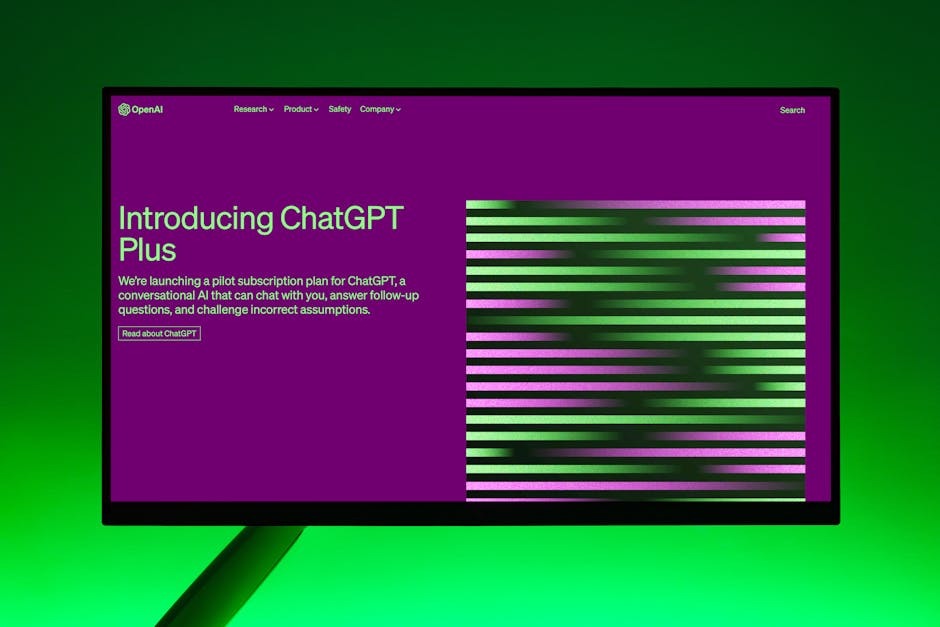
Why Enforce a 150 Seat Minimum?
Several reasons explain this threshold:
Operational efficiency: Managing onboarding, deployment, and support at scale is more resource-efficient starting at this volume. Pricing structure: Enterprise discounts and contract commitments operate with volume expectations. Security and compliance: Enterprise plans include legal, security, and compliance benefits that require significant investment on OpenAI’s side.
If your company’s headcount for potential ChatGPT users is well below 150, exploring alternative licensing plans or higher-tier individual subscriptions may be a better fit.
Enterprise Annual Prepay Commitments
Another confusing point around ChatGPT Enterprise pricing is contract structure. Many enterprise deals come with an annual prepay commitment. What does that mean?
- Annual prepayment: You commit to paying upfront for seats on a yearly basis, potentially with a discount versus monthly billing. Seat commitment: You agree on a minimum number of user licenses (often the 150 seat minimum). Payment terms: The contract spells out what happens if actual usage deviates (e.g., you must pay for committed seats even if not all are filled).
This approach allows OpenAI to ensure predictable revenue while freeing organizations from monthly billing headaches. However, it also locks in spend and requires careful user adoption planning.
Summary Table - Key Pricing Aspects
Aspect Details ChatGPT Free $0/month, ad-supported in the US, limited GPT-3.5 use ChatGPT Plus / Standard $20/month per user, includes GPT-4 access Grok (premium tier) $30/month per user, adds real-time data from “X” and web ChatGPT Enterprise Reported minimum 150 seats, annual prepay typically required, includes enhanced security and admin controls API Pricing Billed separately, per token processed; not included with any chat subscriptionImportant Caveats & Final Recommendations
Before finalizing your ChatGPT Enterprise budget, here are critical reminders:
- Check the official pricing page: Pricing tiers, seat minimums, and contract terms can shift frequently. Always review OpenAI’s official documentation. Beware naming collisions: “Pro” or “Enterprise” naming is used inconsistently across tools — don’t assume features or pricing are identical without verifying details. Seat minimums can be a red flag: If your organization is below or close to the 150 seat threshold, confirm if exceptions are possible or if a scaled plan better suits your needs. API is separate: If you’re building applications that consume the API, budget separately and don’t expect API usage included in any ChatGPT subscription.
Conclusion
The reported 150 seat minimum for ChatGPT Enterprise largely holds true as of Sep 21, 2026, particularly for organizations that require security, privacy, compliance, and support at scale. The $20/month per user “standard” tier remains the baseline for many subscription users, with niche products like Grok commanding a premium for specialized data access.
Remember, ChatGPT Enterprise contracts typically require annual prepay commitments, which underscores the importance of precise capacity and usage planning. Above all, always cross-check current offerings, pricing, and terms on OpenAI’s official pricing page to ensure your understanding aligns with the latest.
By clarifying these nuances, purchasing teams can avoid surprises and make informed decisions about integrating ChatGPT capabilities into their enterprise workflows.
